How can Glaucoma Treated?
Glaucoma Treatments include:
-
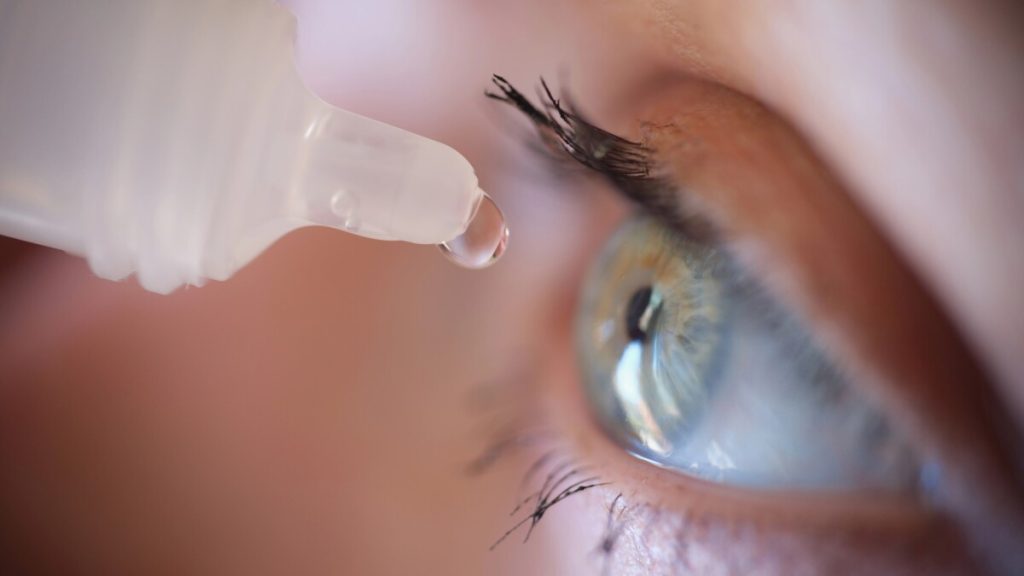
- Medications (Eye Drops):
- Prostaglandine analogues ( e.g; Xalatan . Travatan. Lumigan)
- Alpha-adrenergic agonists (e.g., Iopidine, Alphagan P,)
- Beta blockers (e.g., Betoptic, Betimol, Timoptic)
- Carbonic anhydrase inhibitors (e.g., Trusopt, Azopt)
These medications help lower eye pressure by reducing fluid production within the eye. or by increasing fluid outflow of the eye
- Laser Treatment:
- Laser therapy is used to improve fluid drainage from the eye.
- Different types of laser treatments are available, depending on the specific type of glaucoma.
- Side effects may include redness discomfort, or corneal dryness, but these usually heal quickly after treatment.
- Surgery (If Medications and Laser Do Not Work):
- Trabeculectomy: This procedure creates a small opening to allow fluid to drain and reduce eye pressure.
- Glaucoma Implant Surgery: A small tube is implanted to facilitate fluid drainage, lowering eye pressure.
- Minimally Invasive Glaucoma Surgery (MIGS): A newer, less risky surgical option for mild glaucoma, offering quicker recovery.
Surgery aims to control glaucoma and prevent further vision loss, but it cannot reverse any existing damage.
Consult your eye doctor to determine the best treatment plan for your specific condition.
Benefits of Glaucoma Treatment
Benefits of glaucoma treatment include:
- Vision Preservation: Reduction of elevated eye pressure, lowering the risk of vision loss.
- Pain Relief: Alleviation of persistent eye discomfort and pain.
- Headache Reduction: Decrease in pressure that can lead to frequent headaches.
- Reduced Medication Dependence: Improved control of eye pressure, reducing the need for ongoing medications.
- Lower Surgery Risk: Effective treatment minimizing the likelihood of future surgical intervention.
Book an Appointment

 Patient Login