

July 27, 2026
Reem Hospital frequently sees patients searching for clear, trustworthy answers about gastritis, a very common yet often misunderstood stomach condition. If you’re in Abu Dhabi or anywhere in the UAE and experiencing persistent stomach pain, bloating, heartburn, or nausea, this comprehensive guide will help you understand what gastritis is, why it happens, how it feels, and the most effective gastritis treatment options available today.
Gastritis is inflammation of the stomach lining. It can develop suddenly (acute gastritis) or slowly over time (chronic gastritis). The inflammation weakens the stomach’s protective barrier, allowing acid and digestive enzymes to irritate the lining, leading to pain, burning, and other digestive symptoms.
People often confuse gastritis or stomach ulcer, gastritis or pancreatitis, or even gastritis GERD, but these are different conditions that require accurate diagnosis.
Sudden inflammation, often triggered by:
Acute gastritis symptoms can be intense but short-lived if treated promptly.
Develops gradually and may last months or years.
Chronic gastritis symptoms may be subtle but lead to complications if ignored.
Gastritis causes include:
Gastritis risk factors increase with age, frequent painkiller use, high stress, and unhealthy diet habits.
Gastritis symptoms vary from person to person and may include:
In children, gastritis in kids may present as vague abdominal pain, poor appetite, or vomiting.
| Symptom | Possible Differential Diagnoses | Key Clues That Help Differentiate |
| Upper abdominal pain or burning (gastritis pain areas) | Peptic ulcer disease, GERD, functional dyspepsia, pancreatitis, gallstones | Ulcer pain worsens with fasting; pancreatitis radiates to the back; gallstones worsen after fatty meals |
| Bloating & burping | Functional dyspepsia, IBS, small intestinal bacterial overgrowth (SIBO), food intolerance (lactose/fructose) | IBS is associated with bowel habit changes; SIBO causes gas + diarrhea |
| Heartburn & acid reflux | GERD, hiatal hernia, esophagitis, cardiac ischemia | GERD worsens when lying flat; cardiac pain is exertional |
| Nausea & vomiting | Gastroenteritis, pregnancy, medication side effects, gastroparesis | Gastroenteritis often has fever/diarrhea; pregnancy-related nausea in early gestation |
| Loss of appetite | Chronic gastritis, depression, malignancy, chronic infection | Red flags: weight loss, anemia, persistent symptoms |
| Light-headedness | Anemia, dehydration, hypoglycemia, internal bleeding | Check hemoglobin, blood pressure, and hydration status |
| Chest pain | GERD, esophageal spasm, cardiac ischemia (MI), anxiety/panic attack | Cardiac pain radiates to the arm/jaw, associated with exertion |
| Jaw pain or back pain (referred pain) | Cardiac ischemia, pancreatitis, and gallbladder disease | Pancreatitis = severe back pain + vomiting; cardiac causes are emergencies |
| Diarrhea | Gastroenteritis, IBS, inflammatory bowel disease, medication-induced | IBD may have blood/mucus; IBS is chronic & stress-related |
| Fever | Infectious gastritis, gastroenteritis, cholecystitis, and appendicitis | Persistent fever suggests infection, not simple gastritis |
| Black stool (melena) or bleeding | Peptic ulcer, upper GI bleed, esophageal varices, gastric cancer | Medical emergency; black tarry stool = digested blood |
| Important Notes Gastritis alone rarely causes high fever or black stools → these symptoms require urgent evaluation Chest, jaw, or back pain should never be assumed to be gastritis until cardiac causes are ruled out Overlapping symptoms make endoscopy, labs, and imaging essential for accurate diagnosis |
Gastritis during pregnancy is common due to hormonal changes, increased stomach acid, and pressure on the stomach. Safe management focuses on diet changes and pregnancy-approved medications under medical supervision.
To confirm gastritis and rule out serious conditions, doctors may recommend:
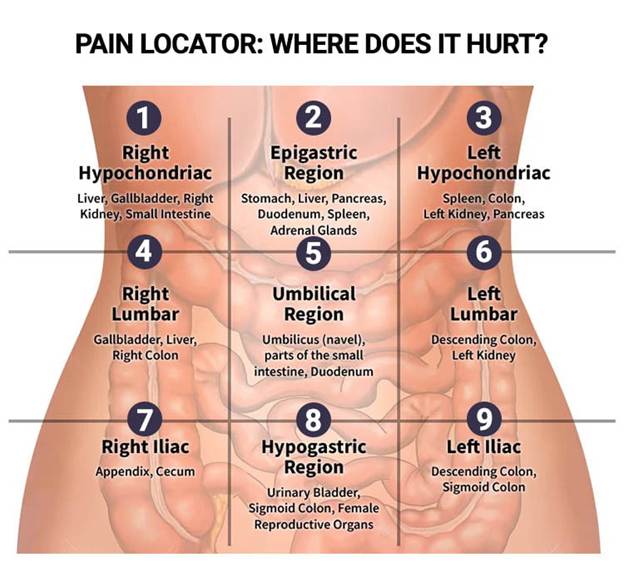
Gastritis treatment depends on the cause:
Medications
Choosing the right gastritis medicine early prevents complications and speeds recovery.
Diet & Lifestyle
Gastritis Friendly Meals
Recommended gastritis friendly meals include:
These foods reduce irritation and support healing.
While not a replacement for medical care, gastritis home remedies may support recovery:
Many patients ask about natural treatment for gastritis, but professional guidance is essential, especially for long-term symptoms.
A gastritis flare-up can occur with dietary lapses, stress, or medication misuse. With proper care, gastritis recovery time may range from days (acute) to weeks or months (chronic).
Untreated gastritis in the long term can lead to ulcers, bleeding, anemia, or increased cancer risk.
Gastritis may begin as a simple stomach irritation, but when overlooked or self-treated without proper evaluation, it can progress into a chronic condition with serious consequences such as ulcers, bleeding, anemia, and long-term digestive impairment. Because its symptoms often mimic other gastrointestinal, cardiac, or pancreatic conditions, relying on assumptions rather than medical assessment can delay appropriate care. Understanding the wide spectrum of gastritis symptoms, recognizing red flags early, and addressing root causes, whether infection, medication use, stress, or dietary habits, are essential steps toward recovery.







 Patient Login