Psoriasis Causes: What Really Triggers It?
While there is no single cause, research shows psoriasis develops from a combination of:
1. Immune System Dysfunction
Psoriasis is an autoimmune condition where overactive T-cells mistakenly attack healthy skin.
2. Genetics
A family history significantly increases your risk.
3. Environmental Triggers
Common triggers in the UAE include:
- Stress
- Dry weather
- Skin injuries (scratches, burns)
- Infections (especially throat infections causing psoriasis guttate)
- Smoking
- Certain medications
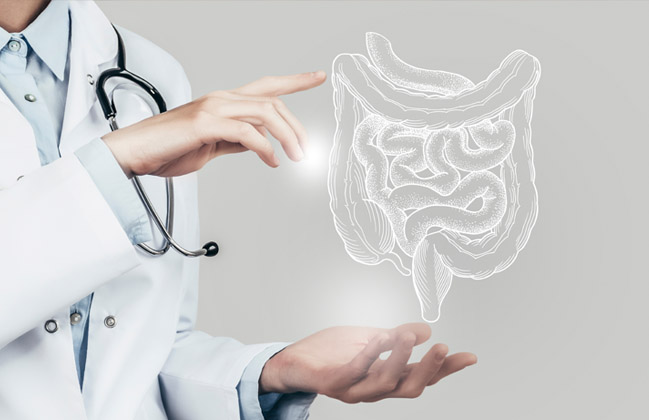
- Poor gut health
4. Metabolic and Hormonal Factors
Patients with psoriasis have a higher risk of:
- Obesity
- Hypertension
- Non-alcoholic fatty liver disease
- Insulin resistance and diabetes
This makes early screening crucial.
Psoriatic Arthritis: When Psoriasis Affects the Joints
Up to 30% of psoriasis patients develop psoriasis arthritis, an inflammatory joint disease that causes:
- Morning stiffness
- Swollen, painful joints
- Fatigue
- Changes in nails
Untreated psoriatic arthritis can lead to permanent joint damage. If you notice joint pain along with skin symptoms, consult Reem Hospital’s dermatology and rheumatology specialists.
Psoriasis and the Scalp: Dandruff or Something More?
Many patients first visit a doctor, thinking they only have dandruff.
Scalp psoriasis causes:
- Thick, white or silvery scales
- Itching and flaking
- Red patches along the hairline
Unlike regular dandruff, psoriasis is persistent and often extends beyond the scalp.
Psoriasis Dermatitis vs Eczema: What’s the Difference?
While both conditions cause inflammation, psoriasis:
- Produces thicker, more defined plaques
- Has silver scales
- Often affects elbows, knees, and scalp
Eczema usually presents with severe itching, fluid-filled patches, and is more common in childhood.
A dermatologist can quickly distinguish between psoriasis and eczema using clinical evaluation and (if needed) dermoscopy.
Book an Appointment
 Patient Login