

January 6, 2026
Blood pressure is one of the most important indicators of your overall health. Whether you’re young, middle-aged, or older, keeping track of your pressure levels can help you spot potential problems early before they turn into serious complications.
High or low readings don’t always cause symptoms, which is why doctors call this a silent health sign.
Understanding the numbers, how to measure them correctly, and what is considered a normal range can give you more control over your heart health.
This guide breaks down everything you need to know, including normal blood pressure, how readings change with age, and when to see a doctor.
Blood pressure measures the force of blood pushing against the walls of your arteries. It’s expressed using two numbers:
This shows the pressure when the heart contracts and pumps blood.
This measures pressure when the heart relaxes between beats.
Example:
A reading of 120/80 mmHg (120 systolic over 80 diastolic) is widely recognized as a typical normal reading for many adults.
It’s normal for blood pressure to fluctuate during the day; taking multiple readings on separate occasions provides a clearer picture of your true level.
A quick look at the chart below can help you interpret your readings:
| Category | Systolic (mmHg) | Diastolic (mmHg) | What It Means |
| Normal pressure | 90–119 | 60–79 | Ideal range for most adults |
| Elevated | 120–129 | <80 | Higher than normal, lifestyle changes are recommended |
| Stage 1 Hypertension | 130–139 | 80–89 | Mild high blood pressure, may need treatment |
| Stage 2 Hypertension | ≥140 | ≥90 | Moderate–severe high blood pressure; treatment required |
| Hypertensive Crisis | ≥180 | ≥120 | Medical emergency; seek urgent care |
Tip: If your readings fall outside the normal blood pressure range, regular monitoring and lifestyle adjustments can make a significant difference.
Blood pressure naturally changes as you get older due to hormonal shifts, artery stiffness, and lifestyle factors. This table shows general guidelines (not strict rules):
| Age Group | Normal BP Range (mmHg) |
| Teens (15–18) | 110/70 – 120/80 |
| Adults (19–40) | 110/70 – 120/80 |
| Middle age (40–59) | 115/75 – 130/85 |
| Seniors (60+) | 120/80 – 140/90 |
For personalized interpretation, especially if you have diabetes, kidney issues, or thyroid imbalance, it’s best to consult a family medicine doctor at Reem Hospital.
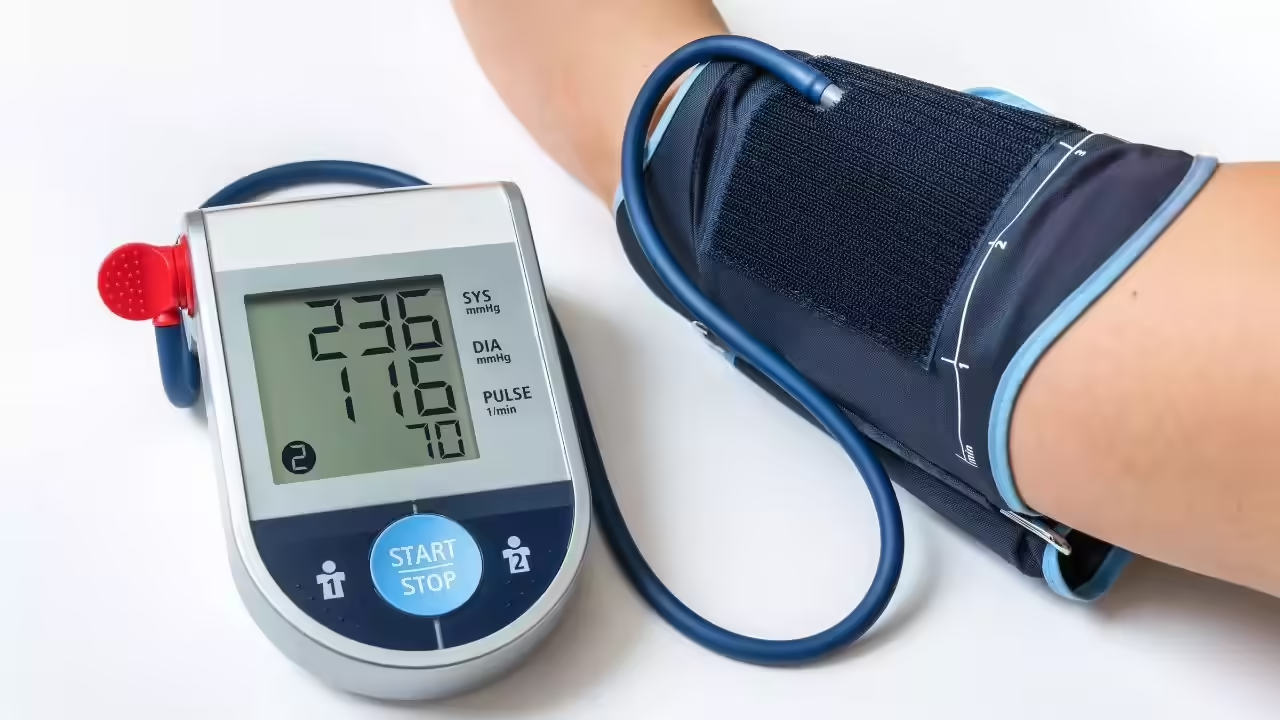
Understanding pressure levels plays an important role in preventing serious health concerns. Persistently high readings increase the risk of:
On the other hand, levels that are too low may lead to:
Monitoring your numbers regularly allows early detection, timely treatment, and better long-term health.
Common causes include:
May be caused by:
If you regularly experience dizziness, headaches, or blurred vision, your blood pressure may be fluctuating. A quick check during a health screening can help identify the problem.
Many people monitor their numbers at home, but accuracy matters. Here’s how to do it right:
At Reem Hospital, your BP is measured as part of routine checkups so early abnormalities are detected quickly.
Even healthy people may see fluctuations based on:
A single high reading doesn’t mean you have hypertension. Consistent monitoring is the key.
Here are evidence-based habits that can naturally support normal blood pressure:
Did You Know?
Your blood pressure is lowest during sleep and highest in the early morning.
A high reading at the doctor’s office may be due to the “white coat effect.” Taking measurements in different settings and at different times gives a clearer picture.
Nearly 1 in 3 adults with high blood pressure doesn’t know they have it, which is why regular testing matters.
Book an appointment if you experience:
High or low readings that persist deserve medical evaluation. The family medicine team at Reem Hospital provides blood pressure checks, full cardiac risk assessments, and tailored lifestyle or medication plans.
Knowing what is normal BP by age, how to interpret a chart, and how to monitor readings at home can protect your long-term health. With the right diet, routine exercise, stress management, and regular checkups, most people can maintain healthy levels throughout life.
If you’re worried about your numbers or haven’t had a screening recently, schedule a consultation at Reem Hospital. Early detection and expert guidance can make all the difference in preventing future complications.
Reference : DOH





 Patient Login