Epilepsy is a chronic brain disease that affects certain areas of the brain and causes seizures or convulsions. It can affect anyone of any age, there’s no age limit to this disease. It occurs due to a sudden change of electrical activity in the brain that leads to seizures.
In this blog, we will give you a comprehensive look at the different types of epilepsy seizures that may affect people, especially those at higher risk of developing it. We will also discuss the causes, diagnosis, prevention, and treatment of epileptic seizures.
Table of Contents
Types of Epilepsy
1. Focal (Partial) Epilepsy Seizures
Focal epilepsy seizures occur when seizures originate in a specific area of one side of the brain, based on which patients can experience different symptoms.
Types of Focal Epilepsy
Temporal Lobe Epilepsy – Arises in the temporal lobes, affecting memory and emotions.
Frontal Lobe Epilepsy – Due to dysfunction of the frontal lobe of the brain, leading to sudden movements or speech disruptions.
Occipital Lobe Epilepsy – The Occipital lobe is responsible for vision. Any damage to this lobe leads to vision affection, the patient experiences flashing lights or visual distortions.
Generalized epilepsy seizures affect both hemispheres of the brain from the start, leading to widespread seizures.
Types of Generalized Epilepsy
Absence Seizures – Brief staring episodes lasting a few seconds.
Generalized Tonic-Clonic Seizures – Seizures of severe intensity associated with loss of consciousness.
Myoclonic Seizures – Sudden non-purposeful movements often occur in the morning.
Epilepsy Causes
The main reason for the seizures is still unknown. However, some triggers are
Family history: The parents may transmit defective genes to their children.
In utero events hinder brain development, or brain damage during delivery or after birth: Brain damage or improper brain development before the child’s delivery can occur due to less oxygen, nutrients, and pregnancy complications in the mother.
Head trauma: Any accident involving brain injury can increase the chances of the development of seizures or epilepsy.
Brain and central nervous system disorders: Tumors, stroke, and Alzheimer’s can affect brain activities and precipitate seizures.
Some infectious diseases: Infections like HIV/AIDS, meningitis, and encephalitis alter brain function and may cause epilepsy.
Substance abuse: Prolonged use of drugs and alcohol can lead to epilepsy.
Epilepsy Symptoms
Confusion
Non-purposeful movements of the body
Loss of consciousness
Body stiffening
Rapid eye movement
Continuous staring without blinking
Unresponsive to words and sounds
Loss of bowel and bladder control
Loss of sensation (sight, hearing, and taste)
Loss of cognitive ability and body coordination.
Stages of Epilepsy
Stage 1
Stage 1 is called the “aura” phase. It is experienced just before the seizures. The person may have:
Stage 2 is called the “Ictal” phase. The nerves inside the body are affected by the chemical changes that happen in the brain, which cause:
Seizures
Loss of motor control
Body twitching and convulsions
Hallucinations
Loss of senses, etc.
Last Stage
The last stage is called the Postictal phase. The stage of recovery after the epileptic episode. You may feel:
Intense thirst
Fatigue
Headache
Confusion
Body weakness and pain
Nausea, etc.
Epilepsy Diagnosis
The conditions require a neurologist who would request various blood tests and scans to diagnose epilepsy, such as:
Electroencephalogram (EEG)
Your doctor will attach some electrodes to your scalp, which will record the brain waves during simple performance tasks. EEG is one of the essential tools that help neurologists diagnose the exact condition.
MRI scan:
Frequently used to detect any underlying structural brain abnormalities or brain damage that seizures precipitate.
Blood test
To detect any underlying causes leading to brain dysfunction.
Epilepsy Treatment
The seizures can be controlled with timely intervention if diagnosed accurately. Some treatment options are:
Medicines: Your neurologist may prescribe some medications that help minimize the seizure episodes.
Nerve stimulator: By using a certain device that sends mild electrical impulses to the brain via the vagus nerve.
Brain surgery: The surgery is effective in cases of local seizures, where a specific area in the brain is affected. Your doctor will refer you to a neurosurgeon for the removal of this area of the brain, known as lobectomy surgery. The neurosurgeon resects the lobe responsible for these seizures.
The treatment plan differs from one person to another. Therefore, it is best to consult our top neurologists in Abu Dhabi to discuss your tailored treatment plan.
Here are your lifetime strategies on what to do and what to avoid if you experience seizures
Do
Carry your medical ID, such as a bracelet or a card that lets people know you have epilepsy
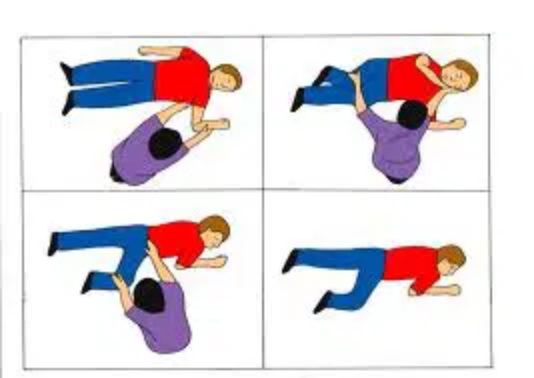
Let your family and friends learn about your condition, the triggers of it, and the recovery position they should place you in while having seizures until the ambulance arrives
Place the patient on the floor in a safe place and remove any sharp objects from around them at least 3 meters
Turn them on the left side
Put their right hand under the chin and the right leg on the floor in front of the left one
Ensure that nothing obstructs their breathing.
(A picture to be added for the recovery position)
Make your home safer – for example, you can fit carpets and a radiator cover
Have showers instead of baths if you can, as it’s safer
Consider the safety measures when doing activities such as cooking, using tools or machinery, swimming, or sports
Don’t
Do not miss doses of your epilepsy medicine
Do not change your epilepsy treatment without getting advice from your neurologist
Do not drink alcohol, as it can increase the risk of seizures
Psychological complications may include mood swings, anxiety, and depression.
Prolonged seizures can lead to decreased oxygen delivery to many organs. The most sensitive organ to oxygen lacks is the brain. Hence, epilepsy can lead to permanent brain damage.
Epilepsy Prevention
Primary Prevention
Get your full vaccinations administered at a young age, as they include vaccinations against certain infectious diseases that may lead to epilepsy. It is safe to be immunized and prevent infection that may lead to serious illness.
Ensure good pregnancy care by consulting your gynecologist about the optimal way of taking care of your child during pregnancy. It will minimize the risk of improper brain development of the baby.
Wash your hands regularly before eating. Hygienic food can avoid many health complications. Epilepsy may occur due to a certain infection. So, beating infection can beat epilepsy.
Prevent brain injuries by wearing helmets on the bike and seat belts while driving.
Secondary Prevention
People who experience seizures are at a 70% higher risk of suffering from further attacks in the future. However, the possible rate of expected recurrence of seizures also depends on the type of seizure, the age group, genetic history, and comorbidities.
If any patient has their first seizure, they should take extra precautions and care to avoid any future episodes.
Medicines: Do not stop any medication without following up with your neurologist.
Lifestyle changes: Adopt a healthy lifestyle, avoid eating junk food, alcohol, and unknown drugs, and practice regular exercise helps keep the mind and body active and decreases the frequency of seizures.
Ketogenic diet: Your doctor may recommend reducing carbs and eating more fats and proteins. Healthy fats help with numerous brain metabolic functions.
Conclusion
Epilepsy is a complex condition that affects individuals in various ways, and understanding its causes, symptoms, types, and treatment options is essential for managing the disease. While there is no one-size-fits-all solution, timely intervention, personalized treatment plans, and lifestyle changes can significantly improve the quality of life for people living with epilepsy. With proper care and support, individuals with epilepsy can lead fulfilling and active lives. If you or someone you know is experiencing seizures, it is important to consult with a Neurologist to get the right diagnosis and treatment.
Dr. Rahaf Wagdy is an Egyptian nuclear radiologist and medical content creator who merges her clinical expertise with digital creativity. With over five years of experience in medical content writing in both Arabic and English, she is dedicated to simplifying...
Dr. Amir Abdelghaffar is a Consultant Neurology at Reem Hospital and has more than 20 years of experience in neurology in some of the most prominent healthcare institutions in the UAE, Egypt, and KSA. He holds a Bachelor’s degree in...





 Patient Login